
Bird Walk at Doddaballapura Forest Patch, Bengaluru
- Bangalore
- 8 February, 2026
- Rs 250/- per head
- Fee collected goes entirely to the bird guide. Ataavi does not retain or profit from this amount.
About Doddaballapura Forest Patch
Just north of Bengaluru lies the unassuming Doddaballapura forest patch, part of the peri-urban mosaic of dry scrub, open woodland and grassland that characterises this section of the northern Deccan landscape. Although not a formally designated protected area with a published boundary or official extent, these pockets of natural habitat — remnants of once-widespread dry zone vegetation — play an outsized role in local biodiversity, buffering agricultural fields and built-up land while offering a vital green break near the bustling city. The plant community here typically includes native scrub species, hardy shrubs and scattered trees that support insects, small mammals and a surprising variety of birds. Peri-urban zones around Doddaballapura have been shown to hold higher plant diversity than purely rural areas, a hint at the ecological value these transitional landscapes retain despite pressure from expansion.
For birders and nature lovers, early mornings in this patch can be rewarding: the mix of shrubs, open clearings and scattered trees attracts both grassland and woodland birds, making it a pleasant backdrop for a bird walk or casual wildlife observation. While there are no comprehensive published bird lists specific to this patch, similar peri-urban habitats near Bangalore regularly host a mix of resident and seasonal species from insect-gleaning warblers and prinias to raptors cruising overhead and common bush birds flitting through hedgerows. Yet this charm belies a more fragile reality: forest patches around Bengaluru, including those at Doddaballapura, face growing threats from urbanisation, land conversion and the push to turn green fragments into tourist or “tree park” destinations — moves that can fragment habitat, increase disturbance and displace wildlife. Conservationists argue that safeguarding these remnants as functional ecosystems, rather than ornamented parkland, is critical for maintaining biodiversity, supporting birdlife and ensuring these natural corridors persist as the city grows.

Bird Guide: Gurprasad K R
He is a passionate nature lover, birding photographer, and conservation advocate, with over a decade of experience observing and documenting birds. Deeply connected to nature and community, he finds joy and inspiration in birds, insects, and butterflies, and is driven to share this wonder to inspire others to connect with the natural world.
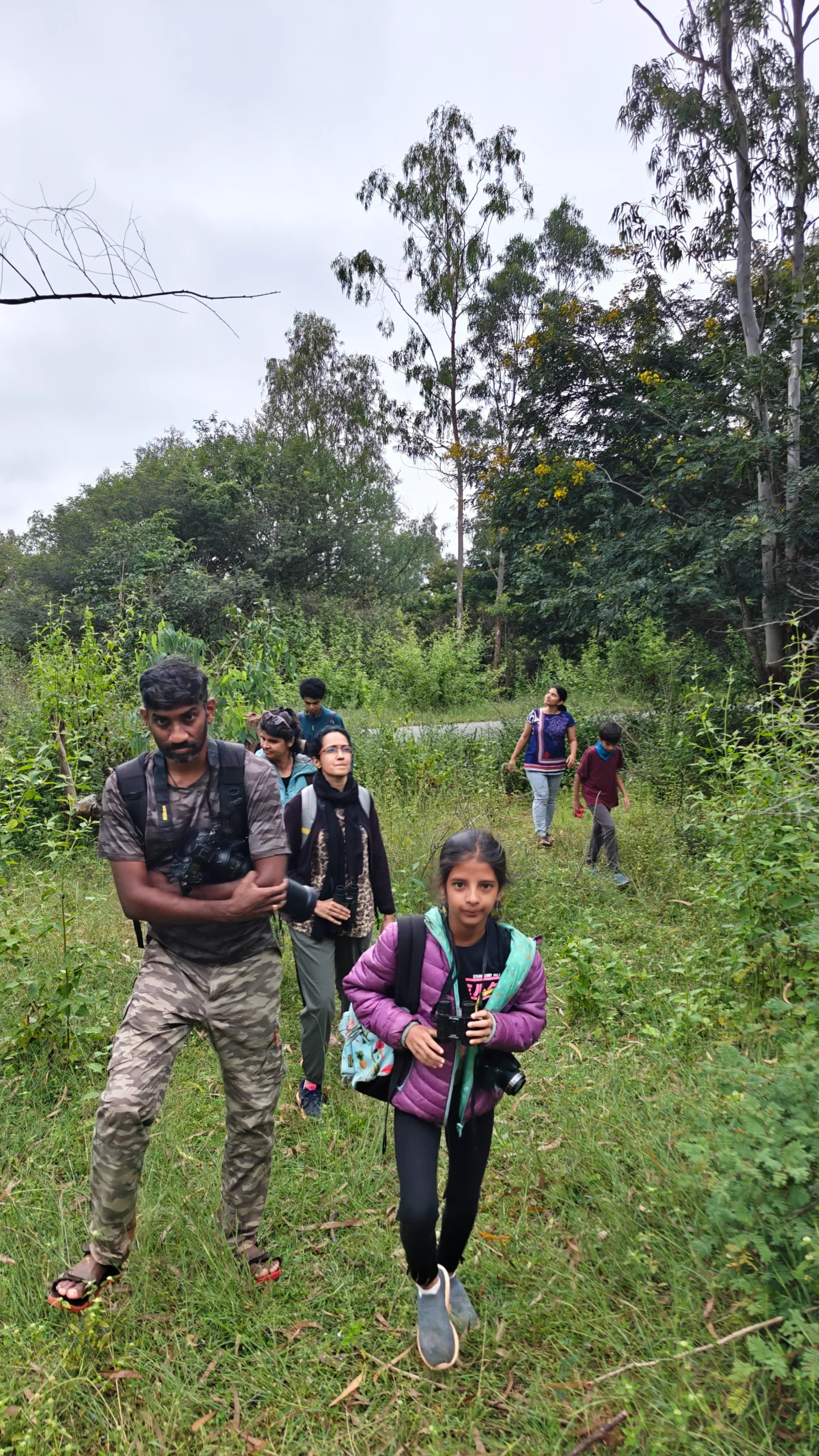
Bird walk Location
Common birds of Doddaballapura Forest Patch
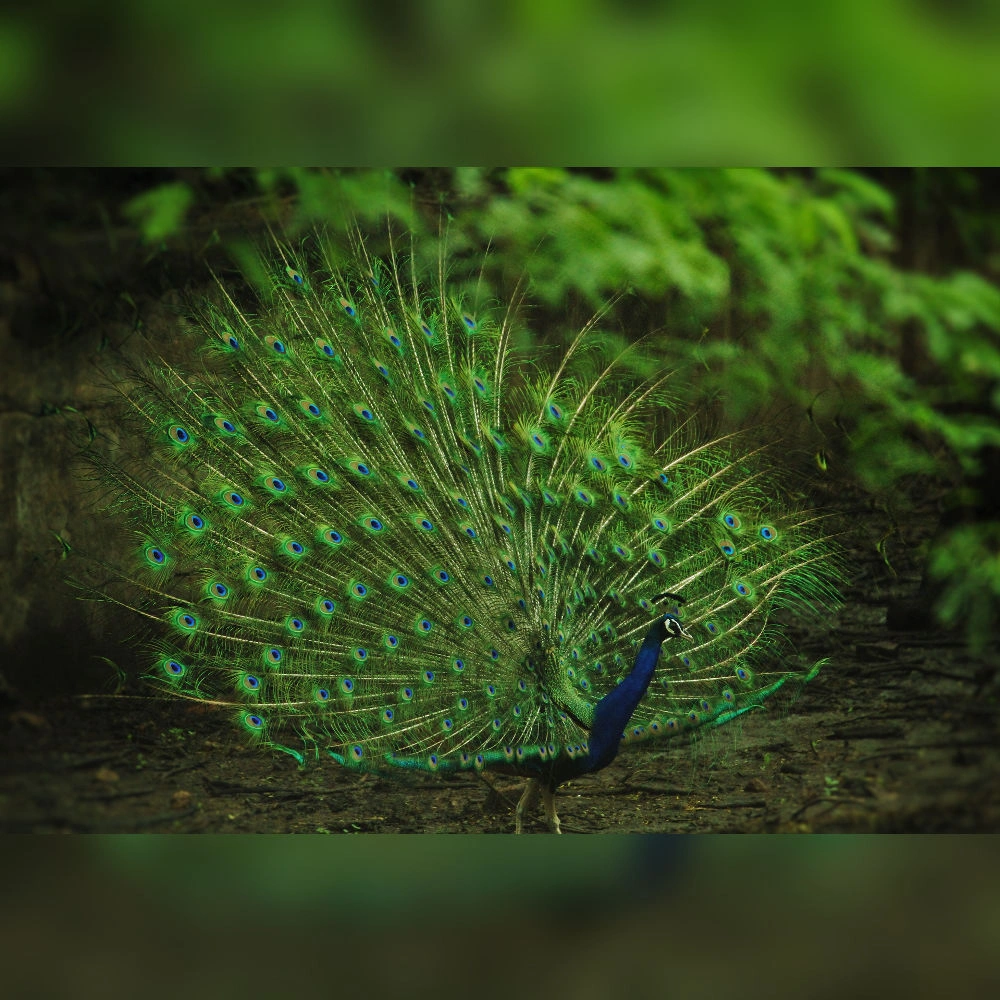
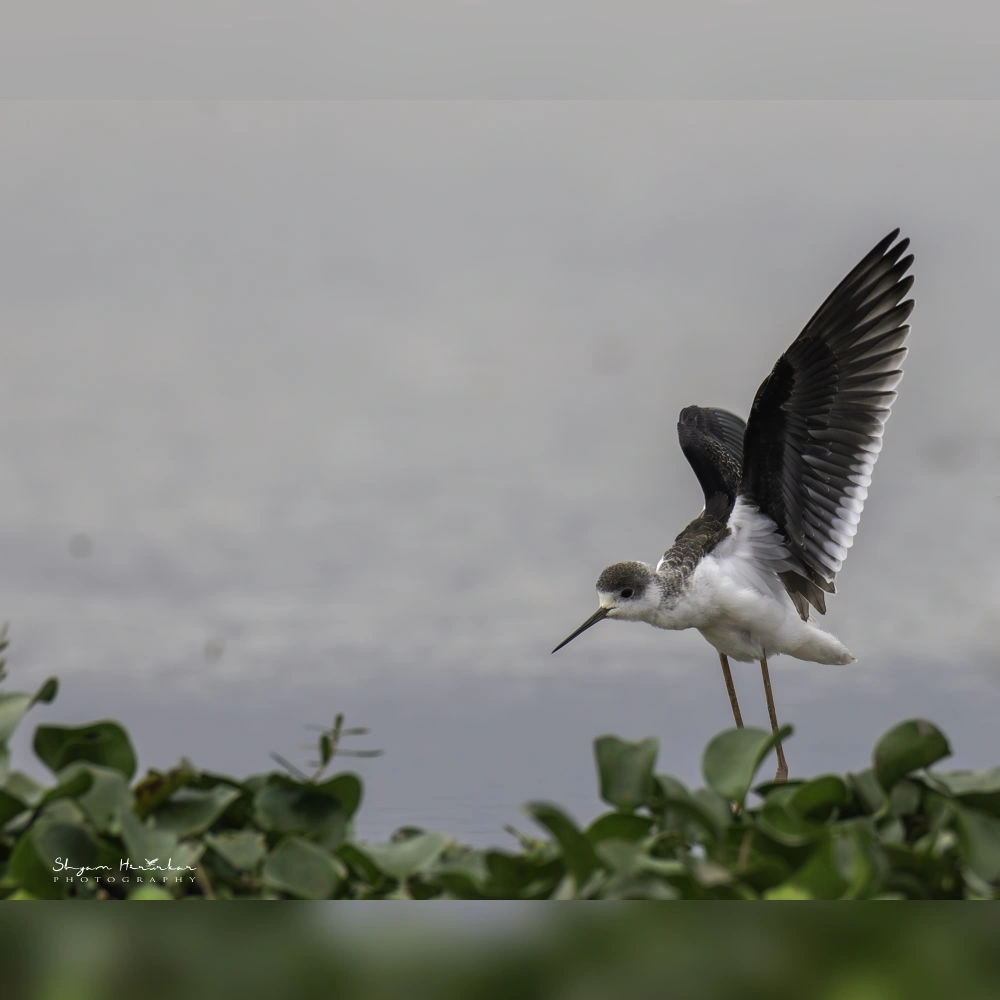
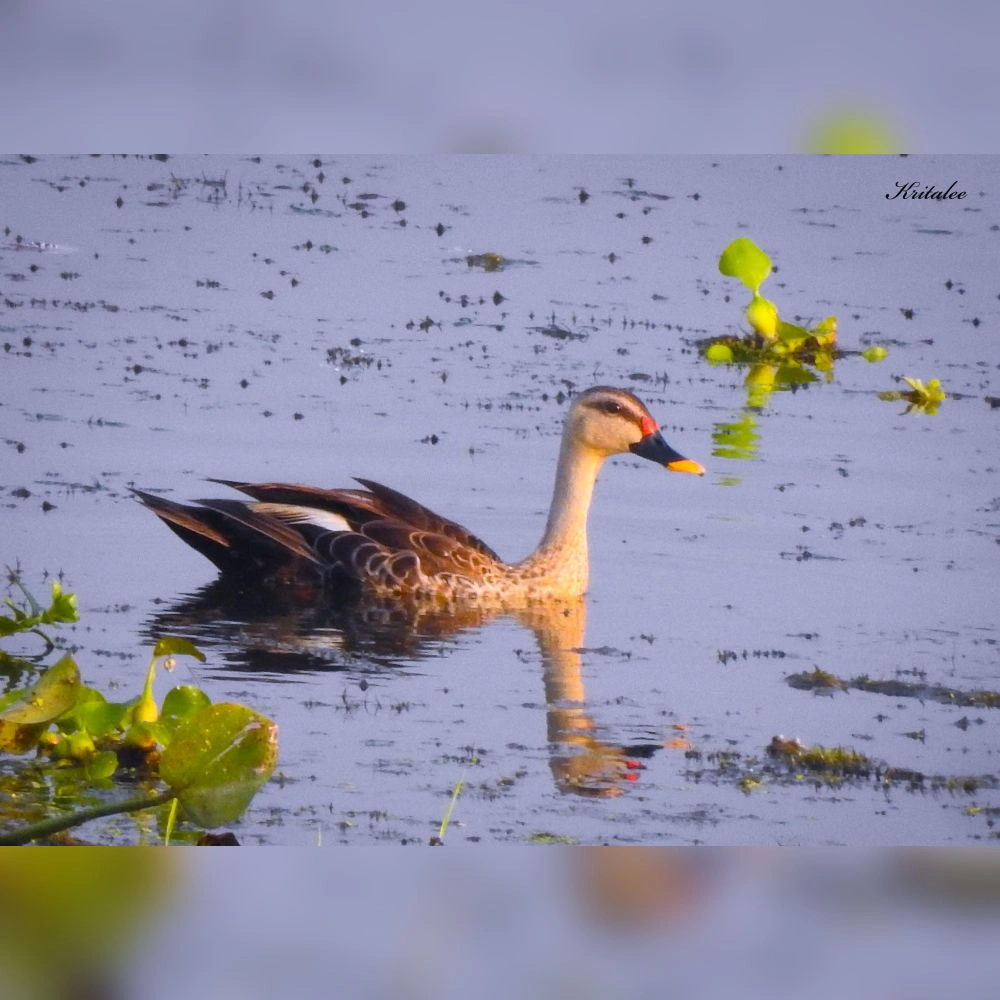
The Doddaballapura Forest Patch comes alive with birdlife that reflects its mix of scrub, open ground and seasonal wetlands. Quiet waterbodies attract Spot-billed Duck, Eurasian Coot, Little Grebe, Little Cormorant, Little Egret and Indian Pond Heron, while elegant Black-winged Stilts and ever-vocal Red-wattled Lapwings patrol the muddy edges. In the surrounding scrub and woodland, the flamboyant Indian Peafowl struts through clearings as Spotted Dove and Laughing Dove flutter between trees. The soundscape is enriched by secretive Greater Coucal, monsoon-heralding Pied Cuckoo, and the familiar calls of the Asian Koel echoing from leafy canopies. Look skyward to spot Black-winged Kite hovering effortlessly or a Booted Eagle soaring overhead, while dusk often reveals the wide-eyed Spotted Owlet peering from tree hollows. Adding a splash of colour, the Asian Green Bee-eater darts gracefully over open patches, making this modest forest fragment a rewarding destination for birders and casual nature lovers alike.

Indian Peafowl

Black-winged Stilt

Indian Spot-billed Duck
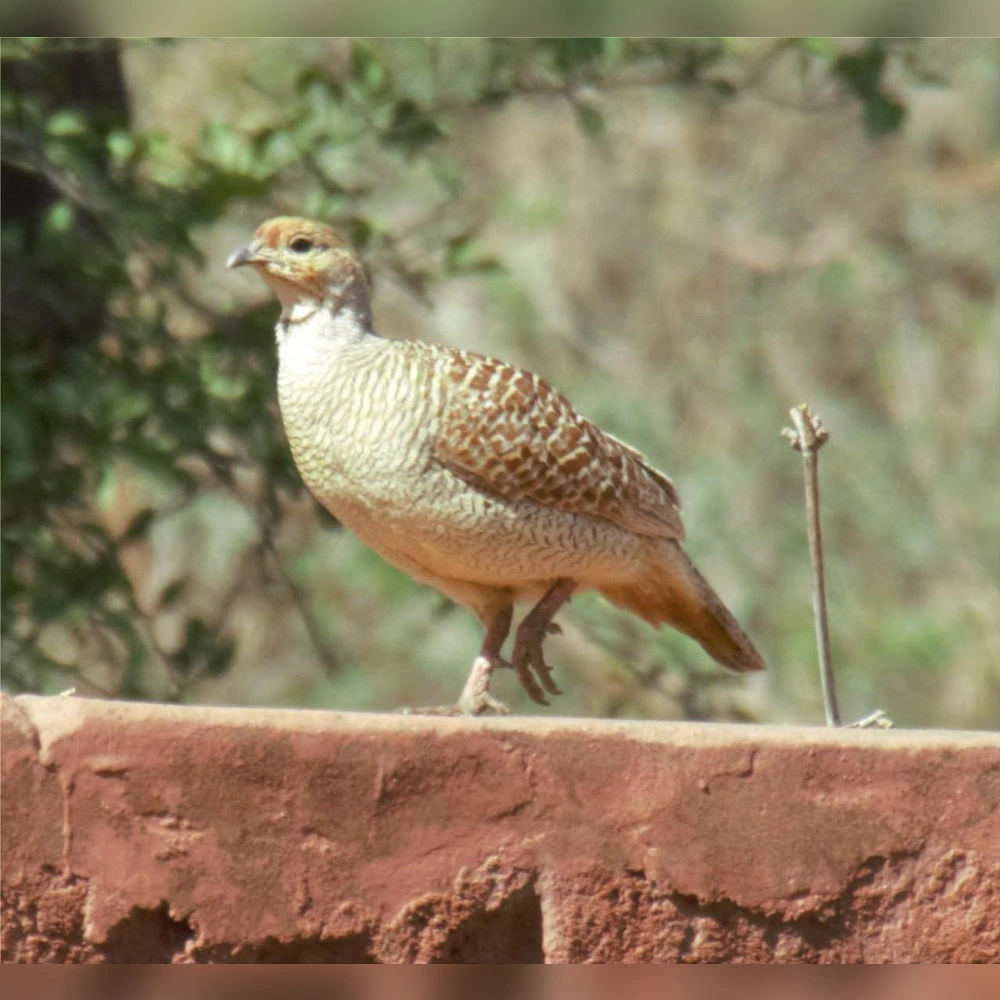
Grey Francolin
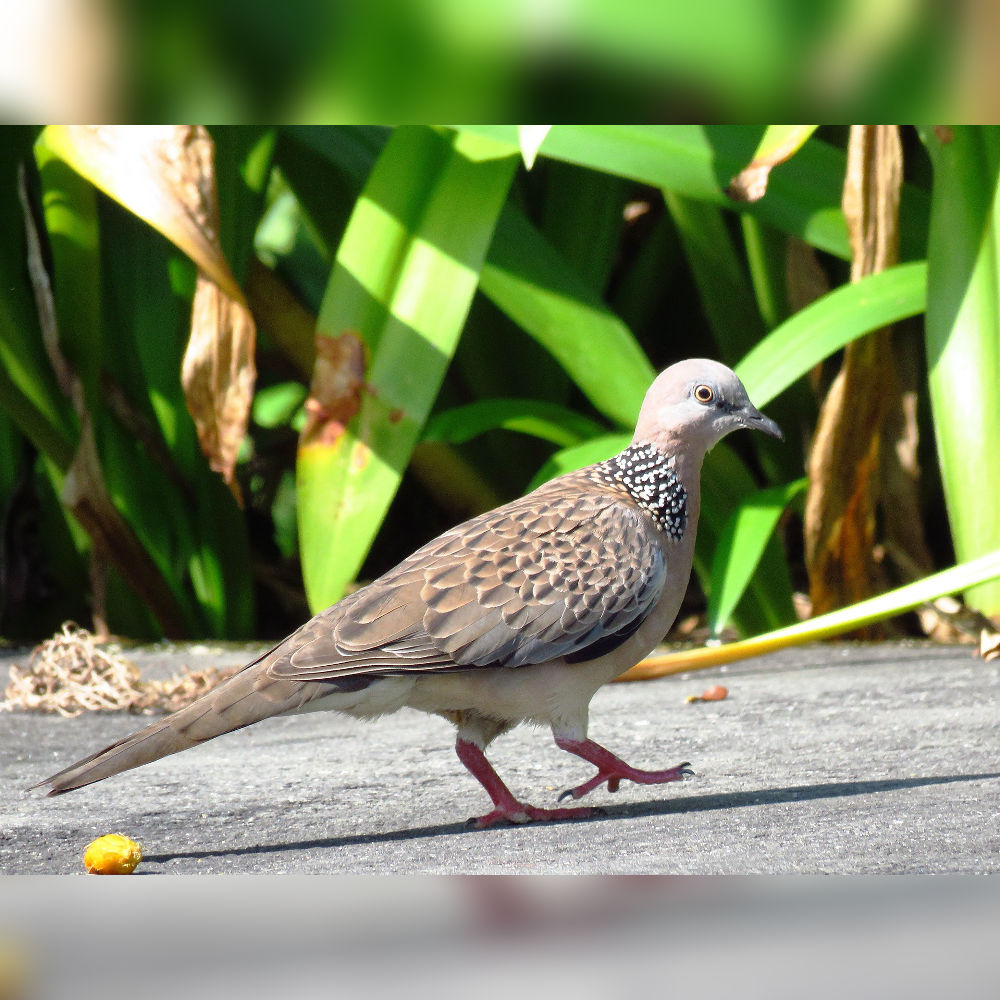
Spotted Dove
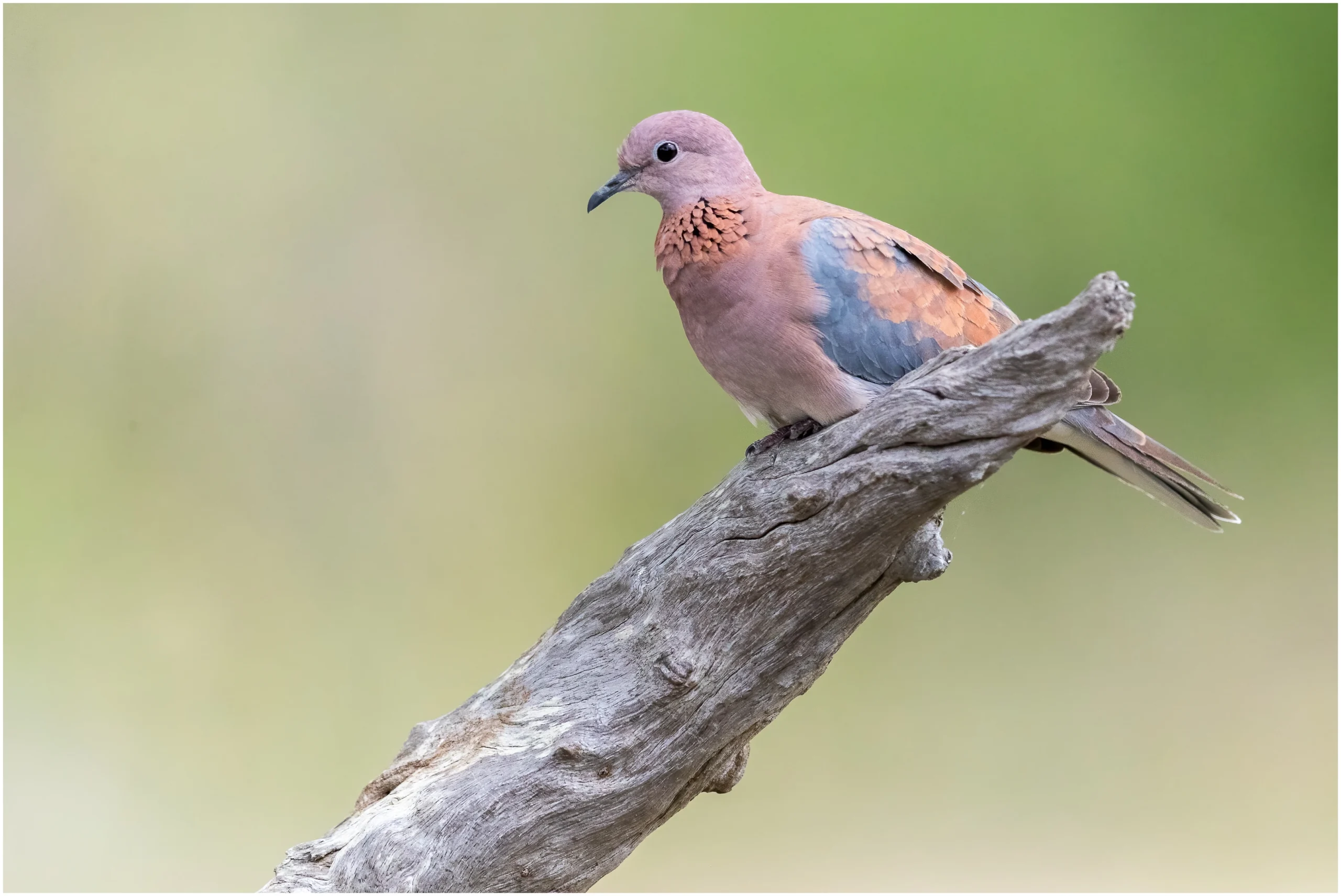
Laughing Dove
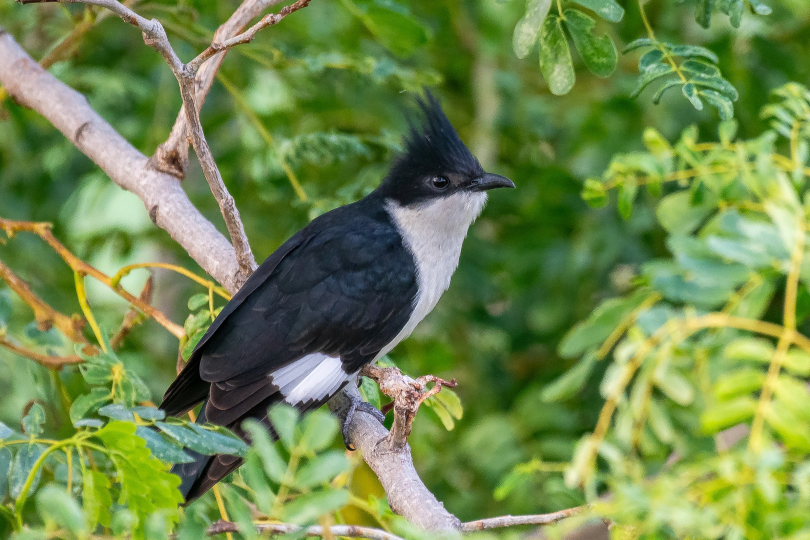
Pied Cuckoo
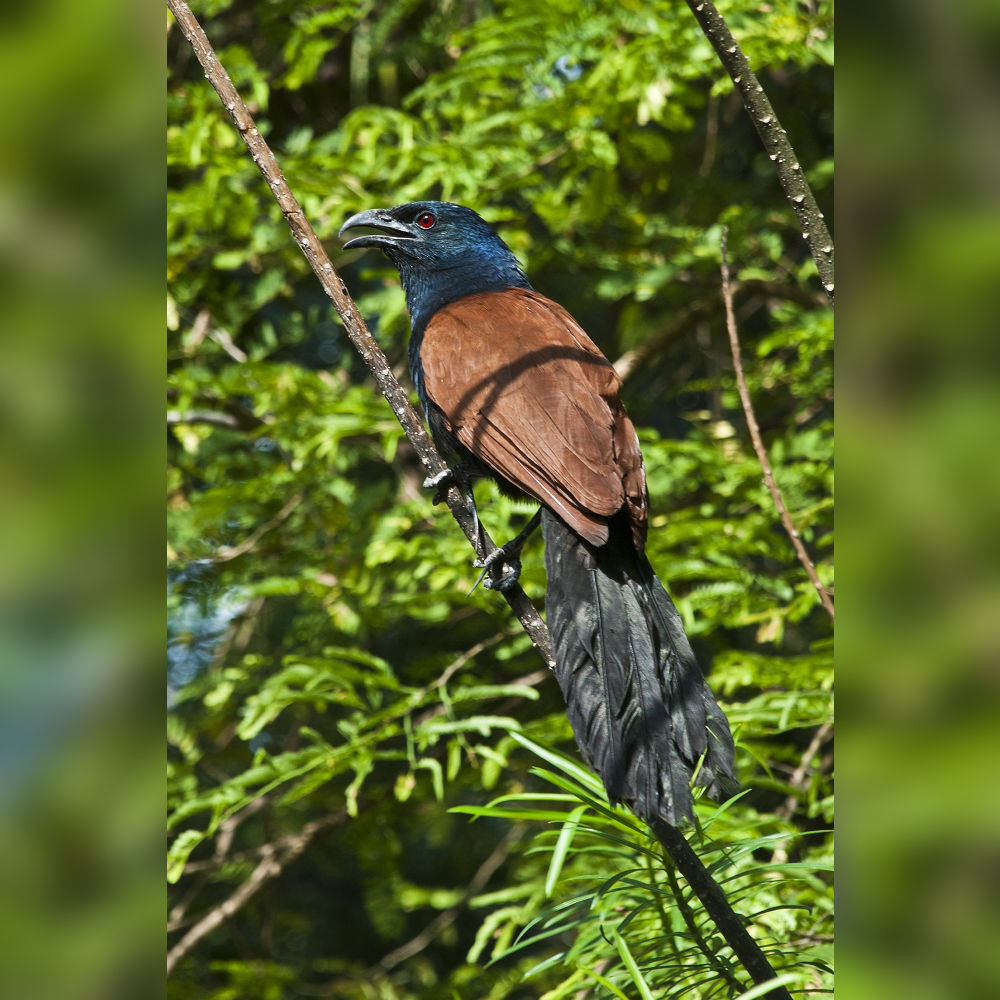
Greater Coucal
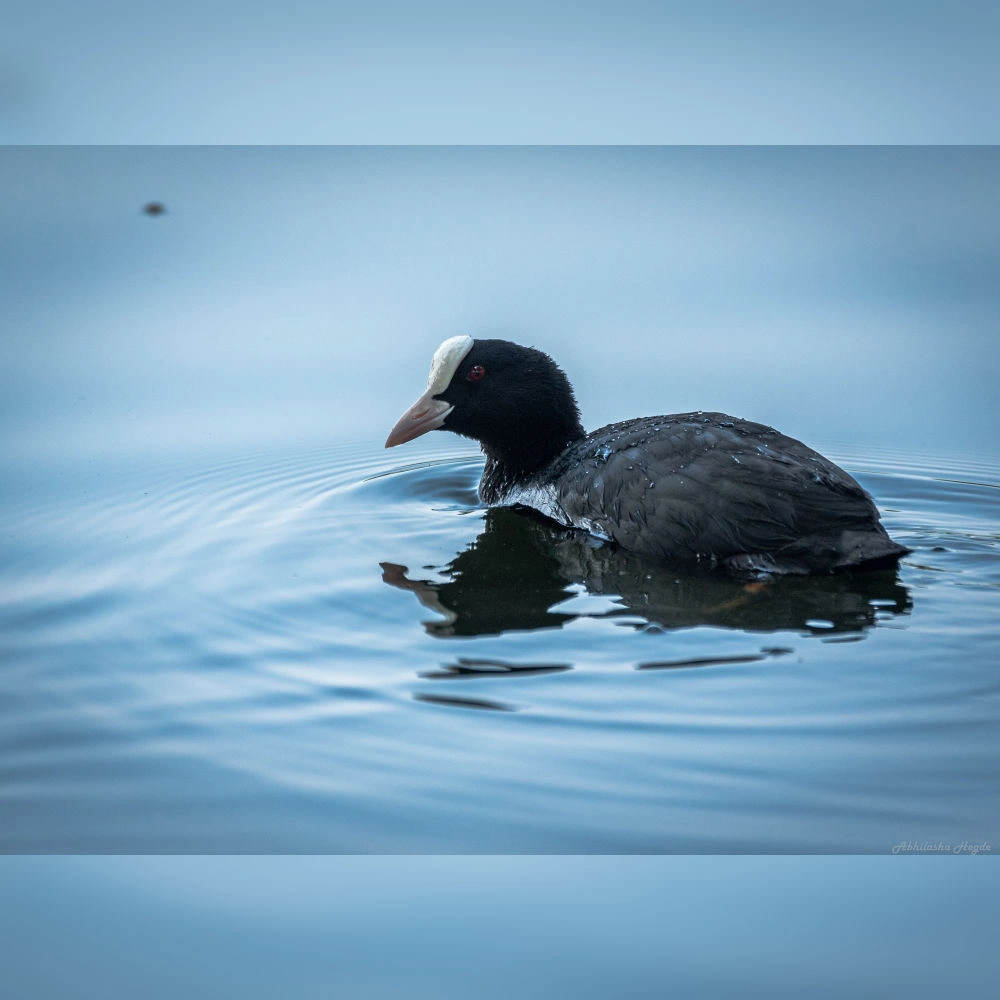
Eurasian Coot
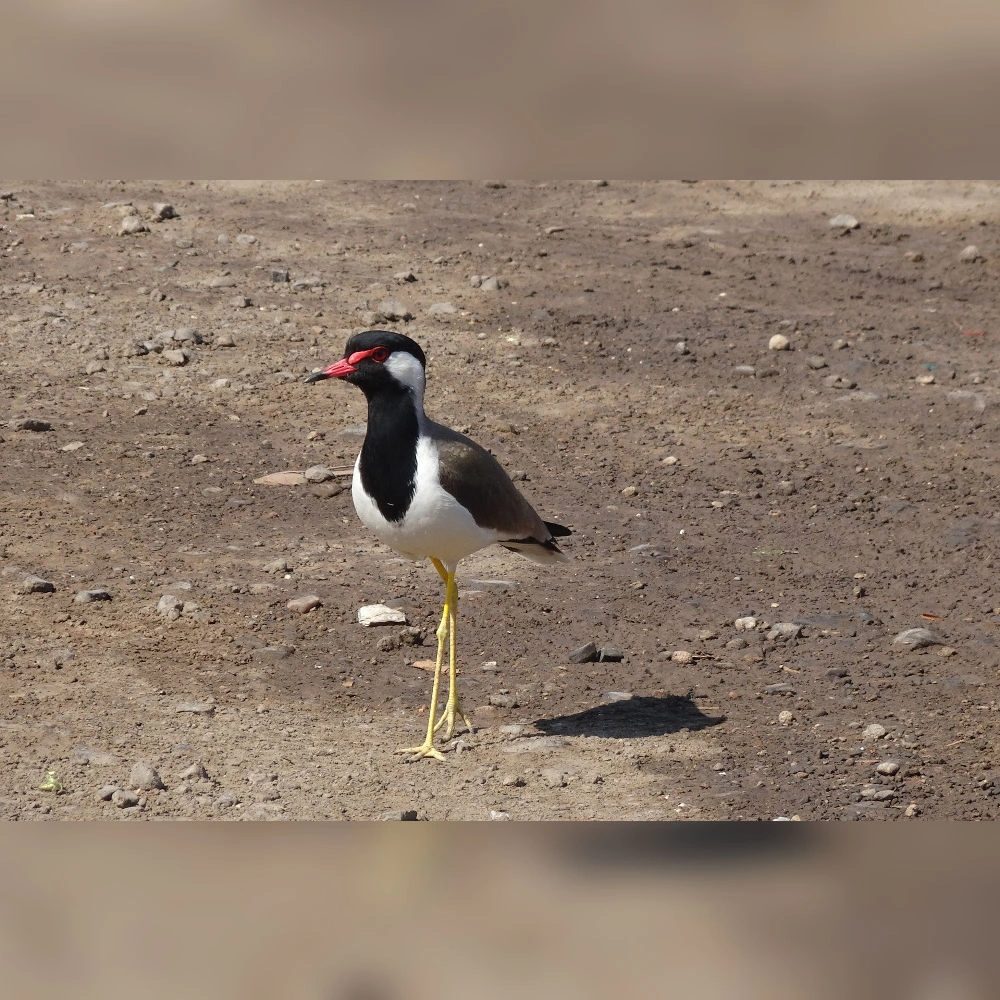
Red-wattled Lapwing
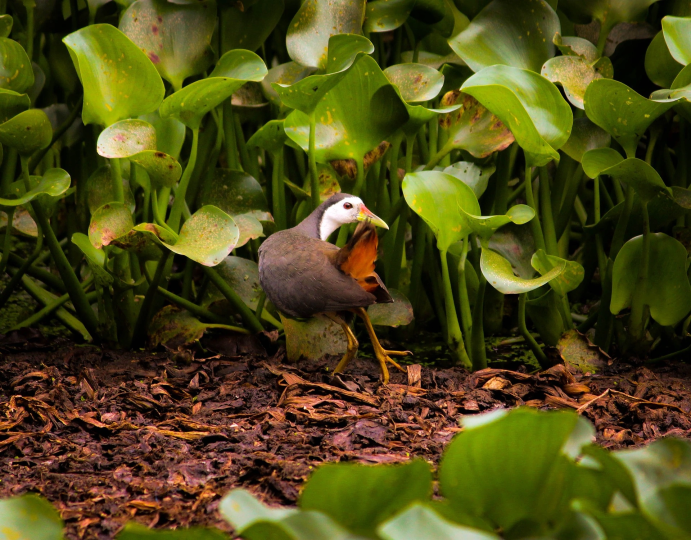
White-breasted Waterhen
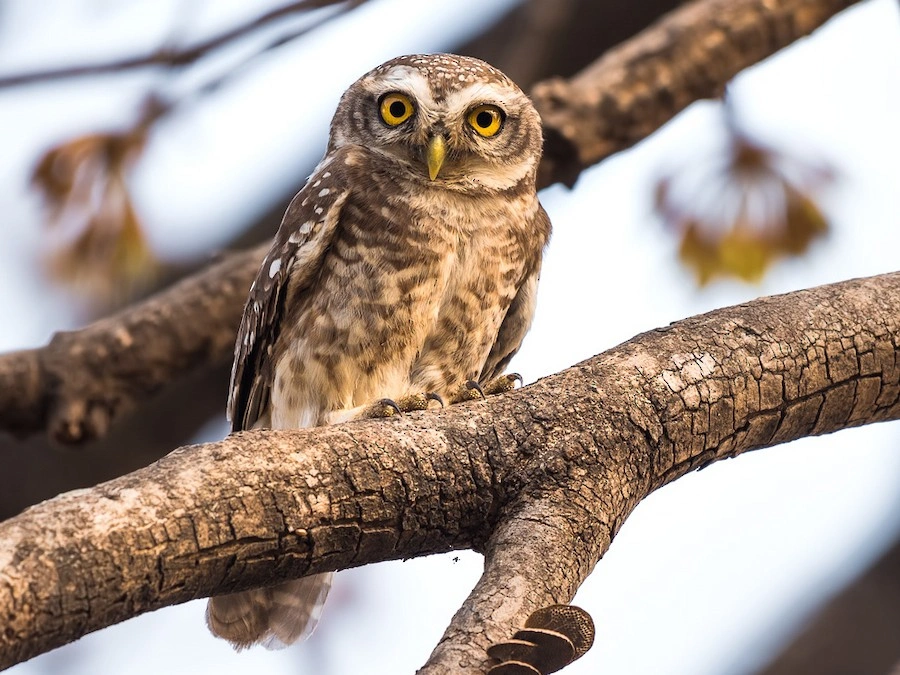
Spotted Owlet
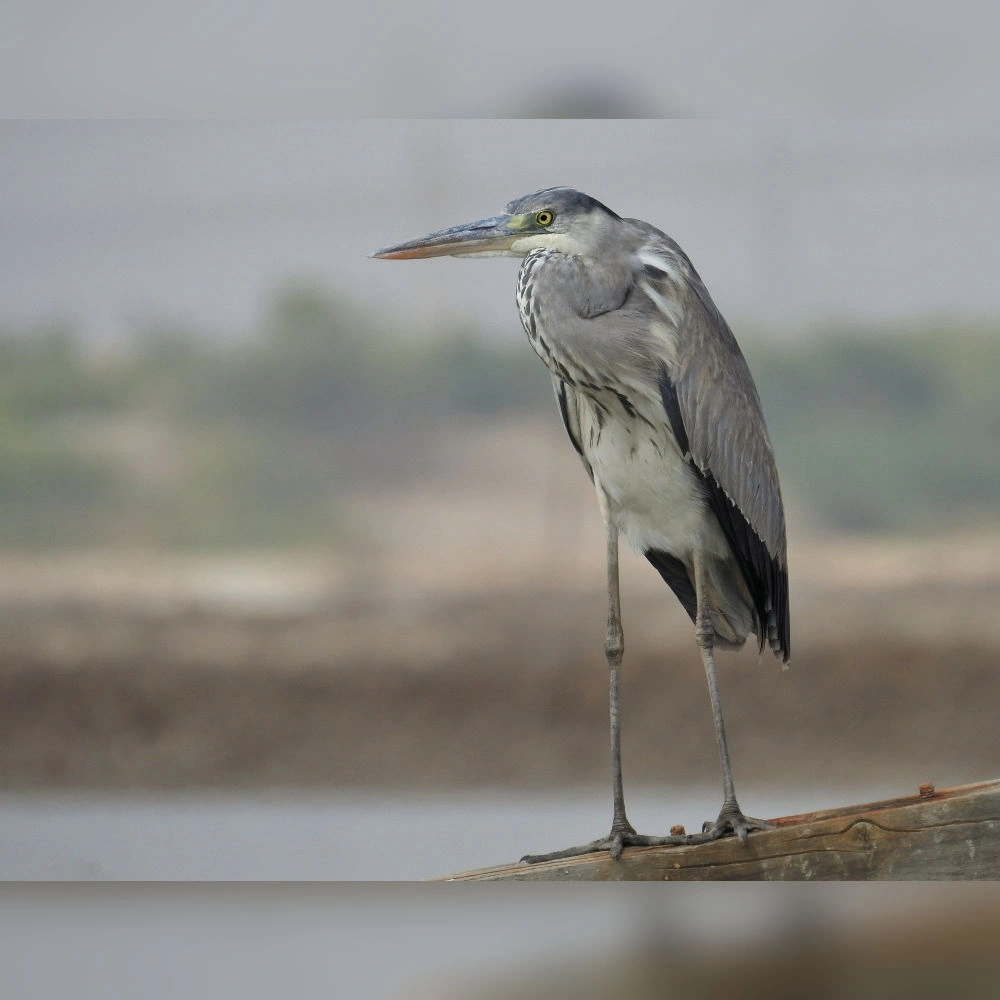
Grey Heron
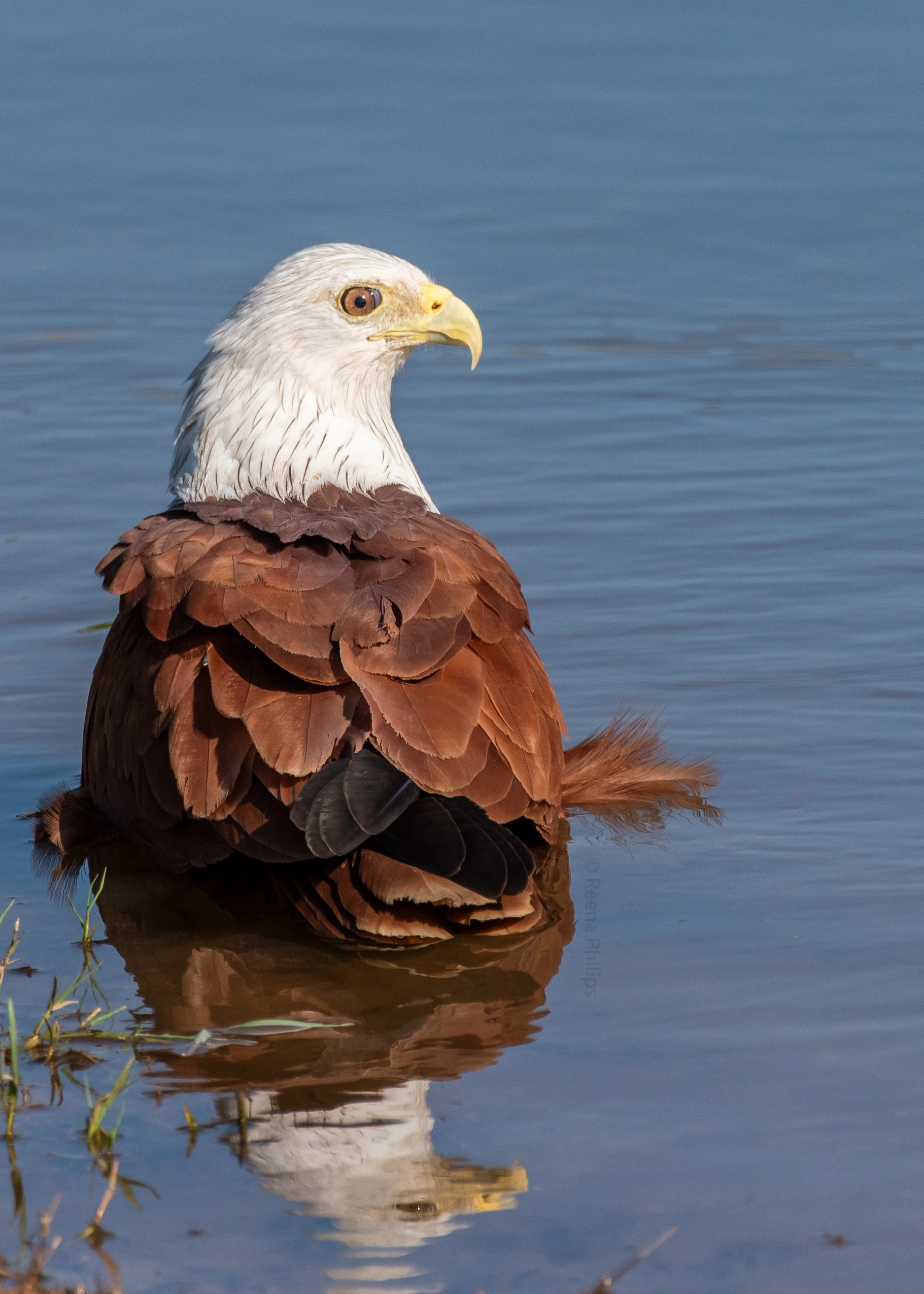
Brahminy Kite
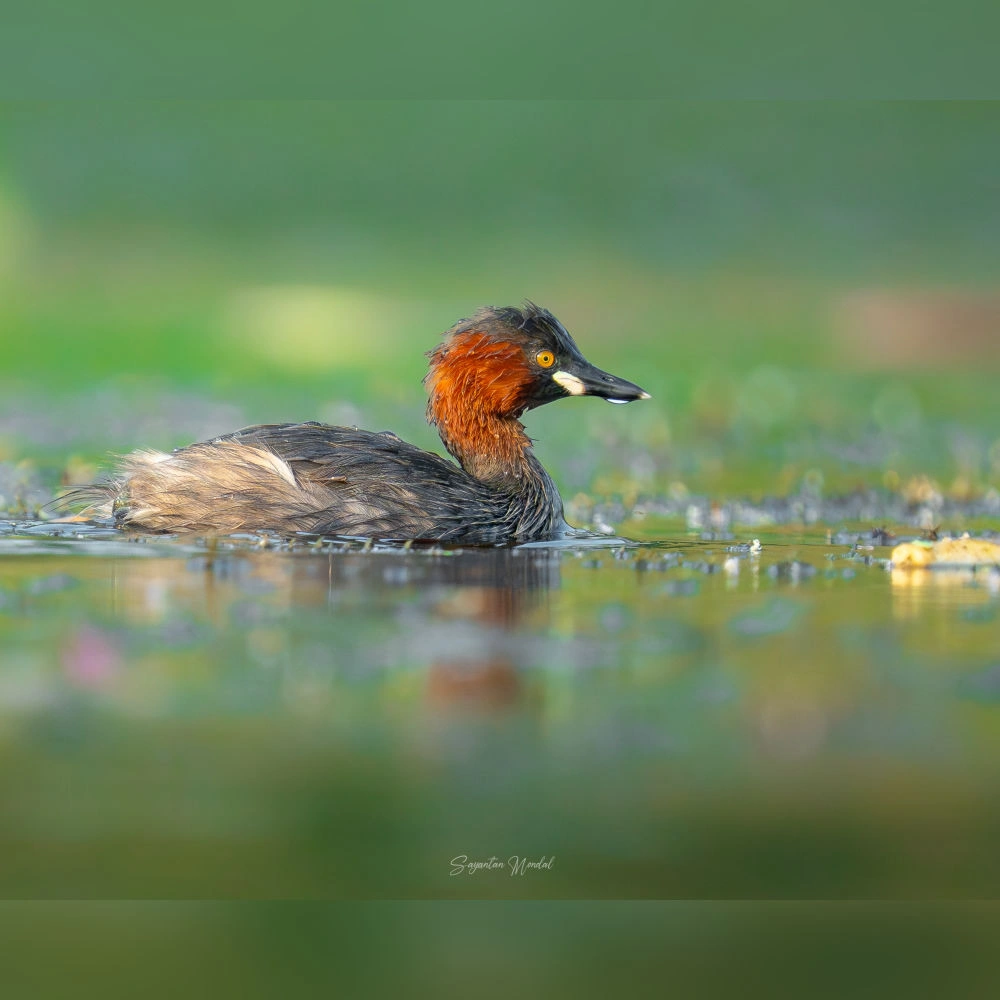
Little Grebe
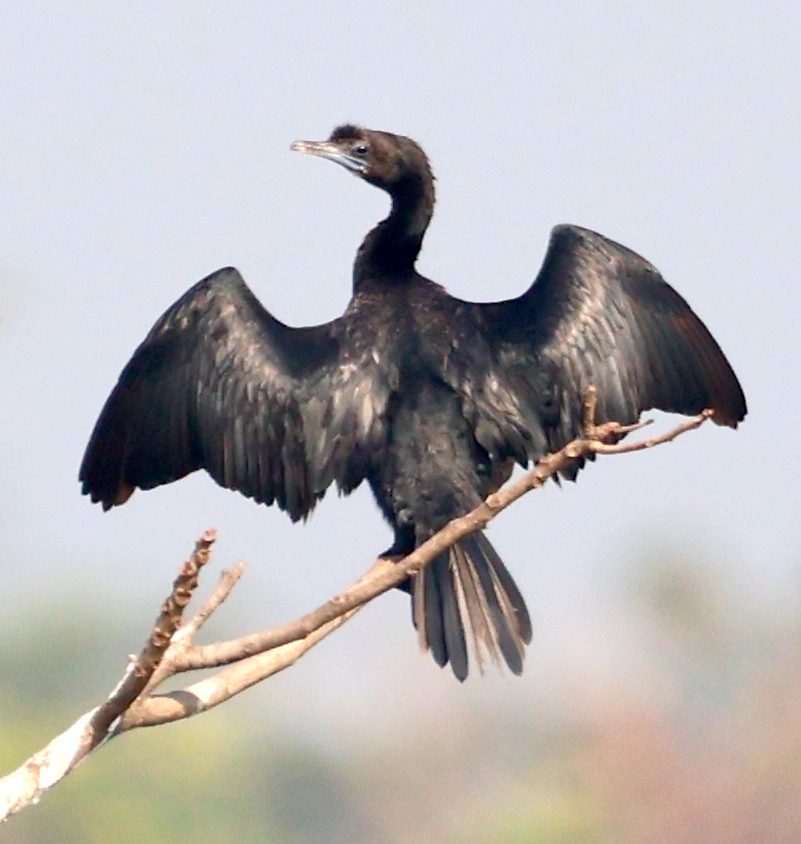
Little Cormorant
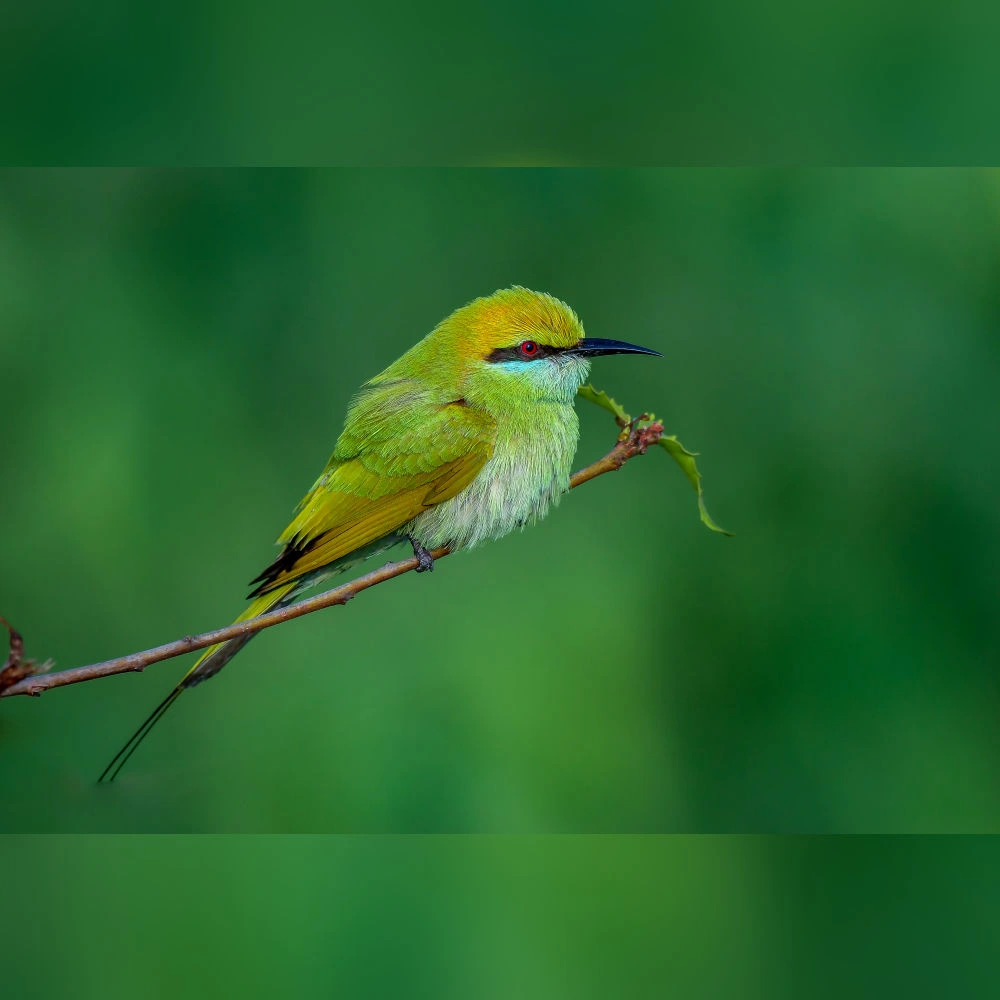
Asian Green Bee-Eater
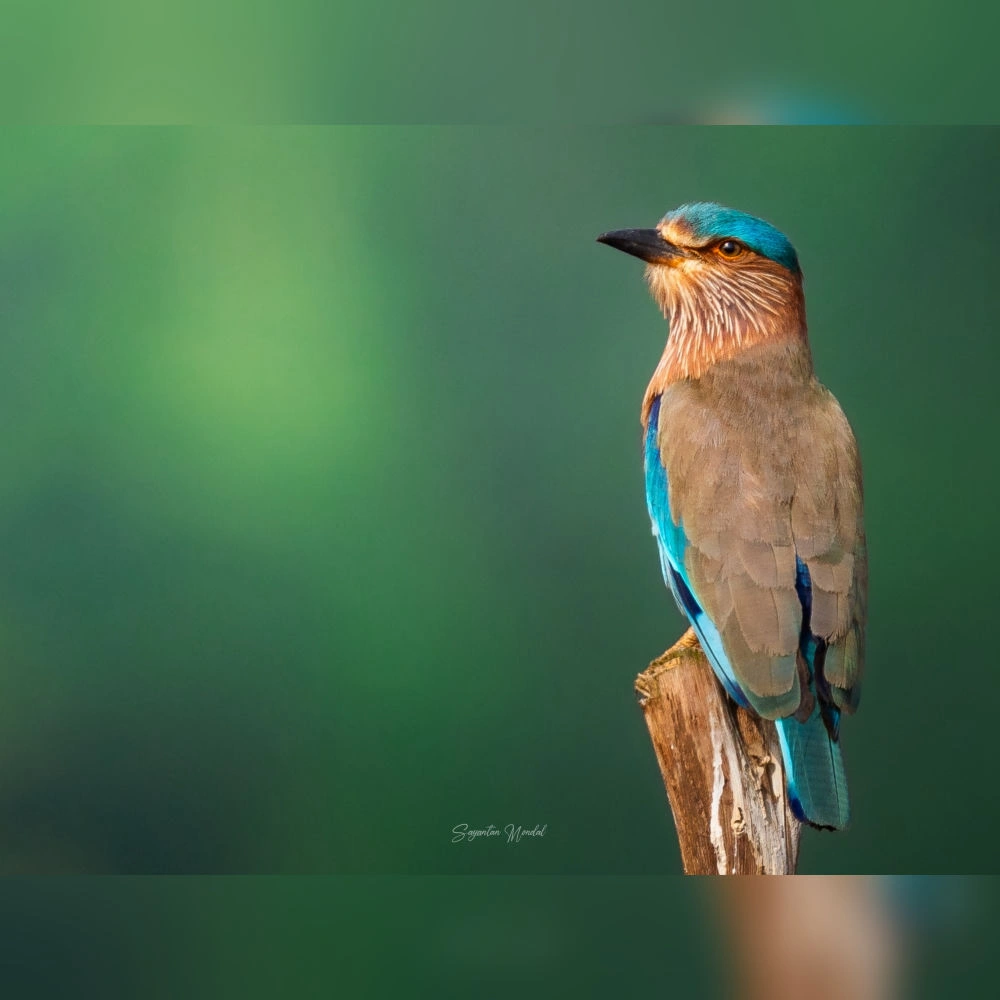
Indian Roller
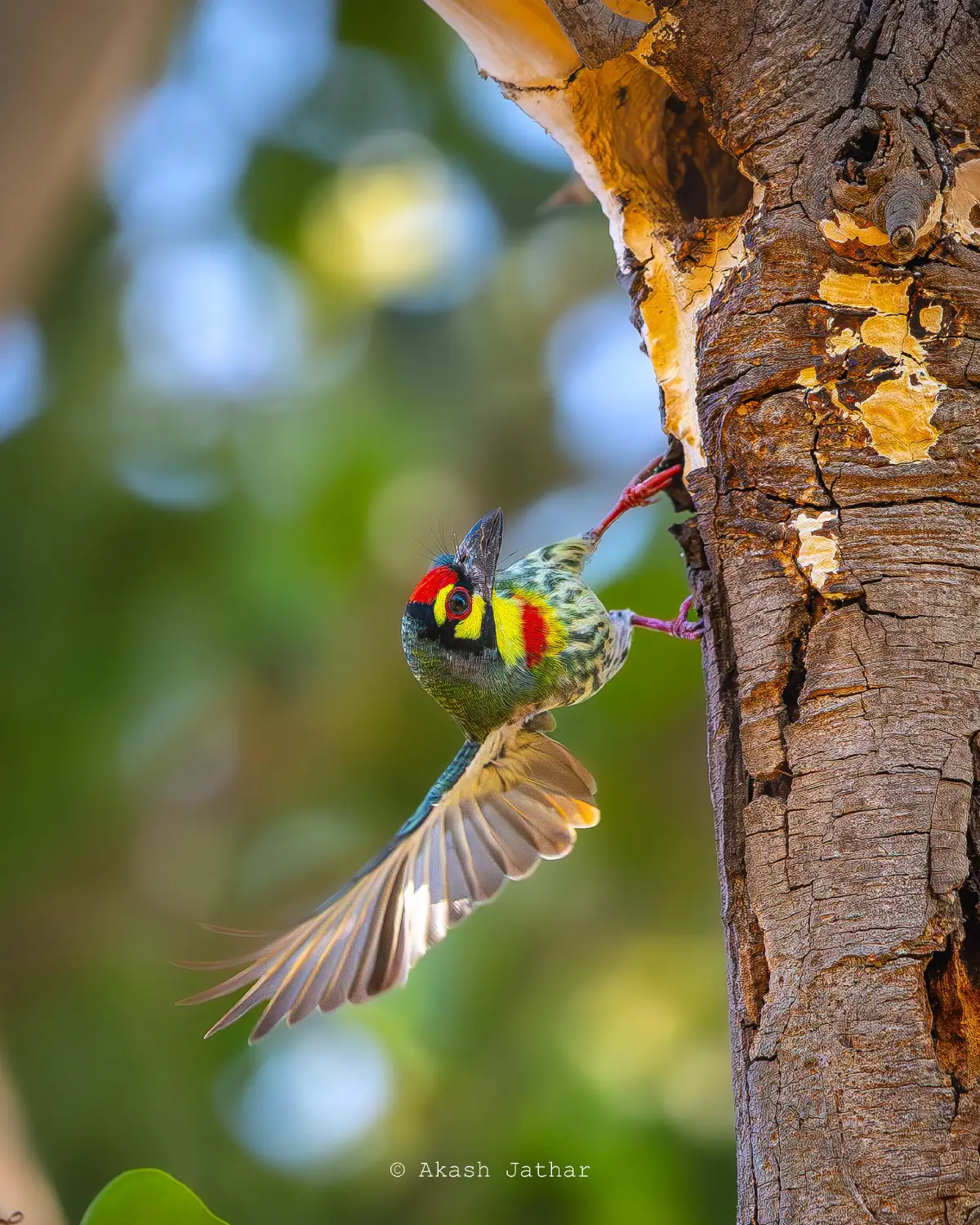
Coppersmith Barbet
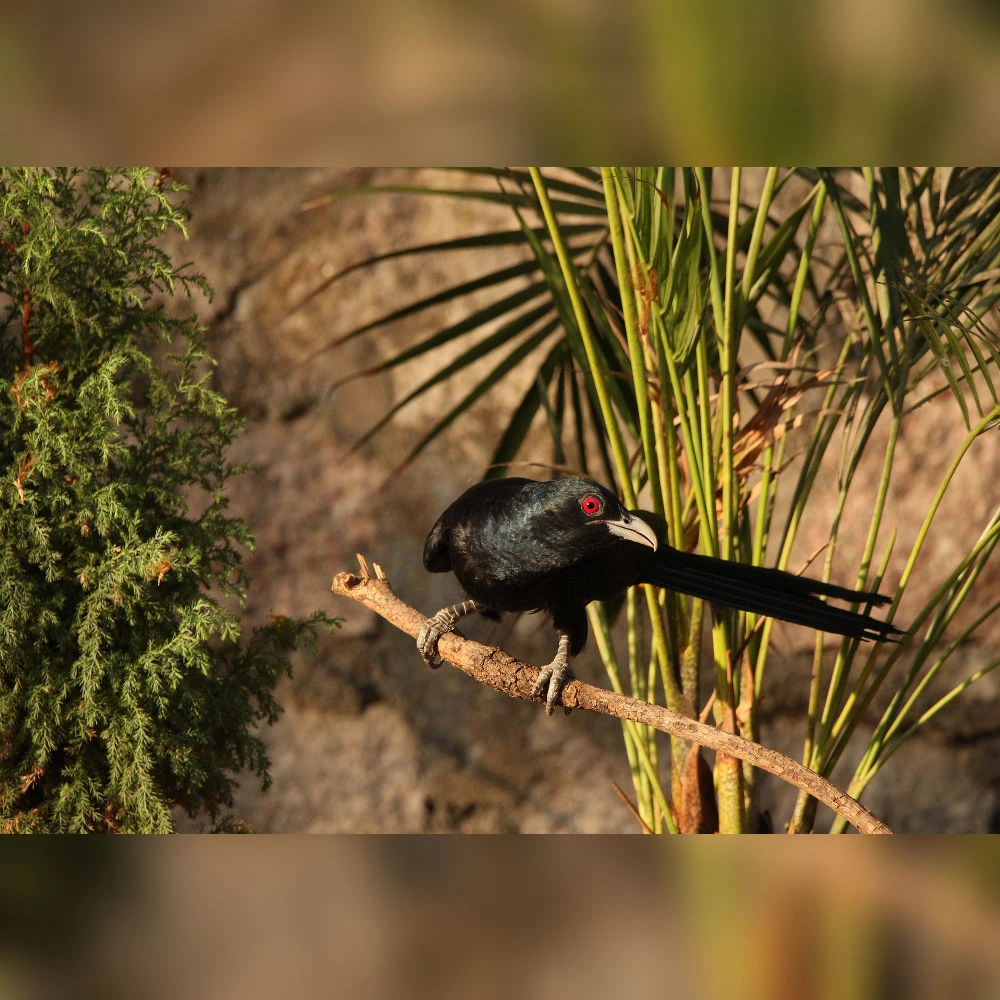
Asian Koel

- Fee collected goes entirely to the bird guide. Ataavi does not retain or profit from this amount.